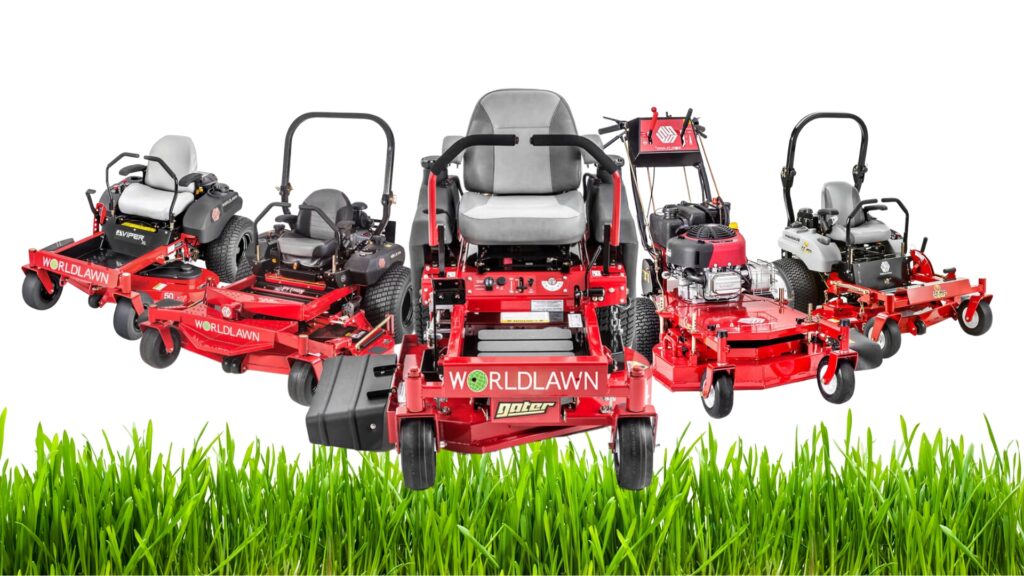
When you are staring down a sprawling Australian lawn that seems to grow faster than you can keep up with, the machinery you choose makes all the difference between a weekend chore and a professional-grade hobby. At WorldLawn VTSW, we understand that investing in a mower is a significant decision. The most common debate for homeowners and contractors across Victoria, WA, and beyond is the choice between a traditional ride-on mower and a high-performance zero-turn mower. While both offer the luxury of a seated operation, the technology under the hood, and how they handle the turf, sets them worlds apart.
Efficiency and Maneuverability:
The primary distinction between these two machines lies in their steering geometry and maneuverability. A traditional ride-on mower, often referred to as a lawn tractor, operates with a standard steering wheel. This design is intuitive for most drivers but comes with a mechanical limitation: a turning radius. When you reach the end of a row or encounter a garden bed, you must execute a wide, sweeping turn or a multi-point reverse maneuver. Over a large property, these seconds add up, leading to significant dead time where you are not actually cutting grass.
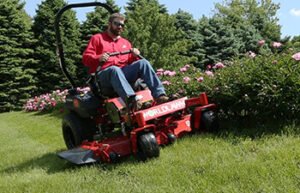
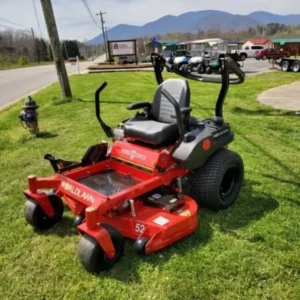
Zero-turn mowers, such as the WorldLawn Viper or Cobra series, utilize independent wheel motors. By using two hand levers to control the rear wheels separately, these machines can spin 360 degrees on the spot. This zero-degree turning radius allows you to pivot at the end of a row and head straight back the other way, leaving no uncut patches. For properties with trees, flower beds, or tight corners, a zero-turn can reduce your mowing time by up to 50%.
Ergonomics and Operator Comfort:
An often-overlooked factor is the operator’s physical experience. Traditional steering wheel mowers typically feature front-mounted engines. This configuration means the operator is sitting behind the engine, often driving directly into the heat, fumes, and noise generated by the motor. Furthermore, many ride-on models require the operator to straddle a drive turret to reach the pedals, which can be taxing during long sessions.
WorldLawn zero-turn mowers are engineered with a rear-mounted engine design. This places the heat and exhaust behind you, directed away from the operator station. Models like the Python take comfort a step further with isolated foot platforms and suspension seats. By eliminating the mechanical linkages required for a steering wheel, zero-turn mowers also reduce the shock loading transferred to the operator’s arms and joints, a critical benefit for professional contractors who spend eight hours a day in the seat.
Power and Performance Specs:
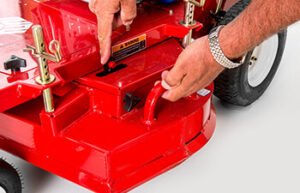
When comparing high-intent equipment, the specifications tell the story. Our commercial-grade zero-turns are built to handle the rugged Australian terrain. The WorldLawn King Cobra, for example, is equipped with the legendary Kawasaki FX series engine and a Hydro-Gear ZT-5400 powertrain. These components are designed for high-speed operation and heavy-duty cycles that standard ride-on mowers simply cannot match.
While a traditional ride-on might struggle with thick, damp grass or incline changes, the dual fuel pumps and robust 7-gauge steel fabricated decks found in the WorldLawn range ensure consistent blade speed and a “perfect cut” every time. The Diamondback series even bridges the gap, offering commercial-grade power at a price point that is accessible for residential users with larger blocks.
Cost vs. Long-Term Value:
It is true that a high-quality zero-turn mower often carries a higher initial price tag than a basic entry-level ride-on tractor. However, the value of a mower is measured in its lifespan and the time it saves you. WorldLawn machines are built with replaceable bearings in the pulleys and B-section Kevlar belts, meaning maintenance is more straightforward and parts last longer.
A traditional ride-on mower often uses more plastic components (like bonnets that can crack in the Aussie sun) and complex steering linkages that wear out over time. When you calculate the fuel savings from shorter mowing times and the reduced maintenance costs of a WorldLawn machine, the zero-turn becomes the more economical choice over the life of the equipment.
Which One Should You Choose?
The right choice depends on your specific landscape. If you have a perfectly flat, rectangular paddock with zero obstacles, a ride-on mower is a functional tool. However, if your lawn features landscaping, tight gates, or if you simply value your weekend time, the zero-turn is the superior investment.
At WorldLawn VTSW, we are the primary distributors for Victoria, Tasmania, South Australia, and Western Australia. We invite you to use our store locator to find a dealer near you and experience the maneuverability of a Viper or the sheer power of a Python for yourself. Transform your lawn care from a task into a passion with the precision of WorldLawn.