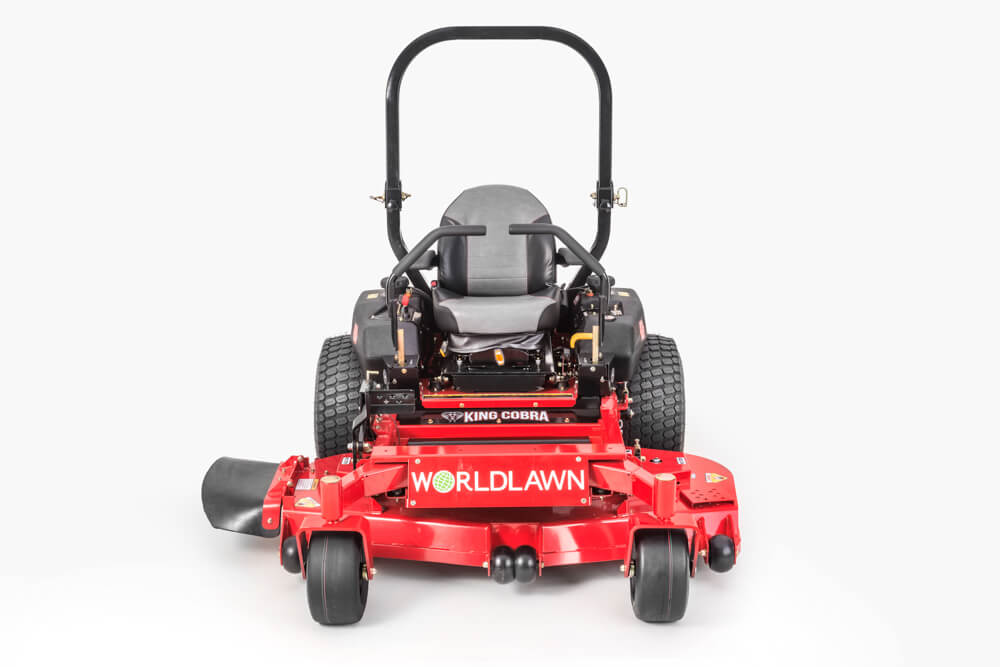
Buying a high-quality mower like a WorldLawn is a big step toward having the best-looking yard in the neighborhood. Whether you’ve chosen a Viper for your home or a King Cobra for a commercial run, these machines are built to be tough. However, even the most rugged equipment has its limits. We see many owners make small, preventable mistakes that end up costing thousands in repairs or, worse, forcing them to buy a new machine years before they should have to. If you want your mower to stay powerful and reliable for a decade or more, you need to avoid these five common pitfalls.
1. Ignoring the Break-In Period Maintenance:
Most people get their new mower home and immediately start clearing their toughest, thickest grass. While that’s what the machine is for, the first few hours of a mower’s life are the most critical. When an engine is brand new, especially a high-performance Kawasaki engine, the internal parts are settling in. During this process, tiny, microscopic bits of metal can wear off and enter the oil.
If you skip that first recommended oil change (usually after the first 5 to 10 hours), those metal particles act like sandpaper inside your engine. It won’t kill the mower today, but it will slowly eat away at the engine’s life. Always check your manual and treat that first service as a must-do, not a maybe.
2. Mowing with Butter Knife Blades:
We have all been there, you are busy, the grass is getting long, and you just want to get the job done. But mowing with dull blades is one of the fastest ways to stress your equipment. Think of it like trying to cut a steak with a spoon. A dull blade does not cut the grass; it tears it. This tearing action does two things. First, it makes your lawn look brown and sickly because the torn ends of the grass are more prone to disease. Second, it forces your engine and belts to work much harder. The resistance of a dull blade pulling through thick grass puts extra heat on the belts and creates drag on the engine. Over time, this leads to snapped belts and burnt-out clutches. Sharpen your blades every 25 hours of use, or sooner if you hit a hidden rock or a thick patch of debris.
3. Letting Wet Grass Rot in the Deck:
The underside of your mower deck is a hidden battlefield. When you mow grass that is even slightly damp, the clippings stick to the steel. Many owners finish their work, park the mower in the shed, and forget about it.
Over the next few days, those wet clippings turn into a thick, acidic sludge. This acid eats through the paint and eventually the steel itself. Even a heavy-duty 7-gauge steel deck like the ones on WorldLawn mowers can eventually suffer from deck rot if it is never cleaned. Additionally, dried grass buildup restricts the airflow inside the deck. Without proper airflow, the blades can’t lift the grass up to cut it evenly, leaving you with a messy, ragged finish. Take five minutes after you finish to scrape the deck or blow it out with a leaf blower.
4. Treating Fuel Like It Lasts Forever:
Modern fuel is not what it used to be. Most petrol contains ethanol, which is a magnet for moisture. In the Australian humidity, fuel can start to degrade in as little as 30 days. When fuel goes off, it turns into a gummy varnish that clogs up the tiny passages in your carburetor.
If your mower is hard to start or hunts (revs up and down on its own), stale fuel is usually the culprit. Never leave fuel sitting in the tank over the winter or through a long break. If you are not going to use the mower for a month, add a fuel stabilizer or run the engine until the tank is empty. It’s a small step that saves you from a very expensive trip to the mechanic for a fuel system flush.
5. Forgetting the Breathability of the Engine:
Your mower’s engine is essentially a giant air pump. It needs to breathe to stay cool and to burn fuel efficiently. Because zero-turn mowers sit low to the ground and move fast, they kick up a massive amount of dust, seeds, and dry grass.
The air filter is your engine’s only defense against this dust storm. If the filter gets clogged, the engine starts to choke. This causes it to run too hot and use way more fuel than it should. Check your air filter every time you mow. If it looks like it’s caked in dirt, give it a tap to clear it or replace it. While you’re at it, make sure the cooling fins on the engine aren’t blocked. An engine that can’t breathe is an engine that is slowly cooking itself to death.
Avoiding these mistakes isn’t about being a mechanical expert; it’s about being observant. A little bit of cleaning, fresh fuel, and a sharp set of blades will do more for your mower’s lifespan than any expensive miracle additive. By treating your WorldLawn equipment with a bit of respect, you ensure it’s always ready to work when you are.